The Connection Between Heel Pain and Tight Achilles Tendons
- posted: Dec. 29, 2025
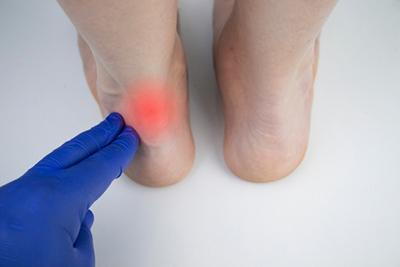
Heel pain often develops gradually, but its source frequently traces back to the Achilles tendon. This strong band of tissue connects the calf muscles to the heel bone and plays a central role in walking, running, and standing. When the Achilles tendon becomes tight or overworked, it places excessive stress on the heel, which can lead to persistent discomfort and limited mobility. At New Age Foot and Ankle Surgery, we regularly evaluate this connection because early recognition allows us to address the cause, not just the symptom.
How Tight Achilles Tendons Contribute to Heel Pain
A tight Achilles tendon reduces ankle flexibility. When the ankle cannot move through its normal range, the heel absorbs more force with each step. Over time, this repetitive strain irritates the tissues where the tendon inserts into the heel bone. Many patients experience sharp pain with the first steps in the morning or after periods of rest. Physical activity often worsens the discomfort, especially activities that involve running, jumping, or prolonged standing.
Achilles tendonitis commonly develops when the tendon experiences repeated stress without adequate recovery. Factors such as sudden increases in activity, poor footwear, calf muscle tightness, and abnormal foot mechanics all contribute. As the tendon stiffens, heel pain often becomes more pronounced and consistent.
Why Heel Pain Should Not Be Ignored
Persistent heel pain signals an underlying biomechanical problem. Without proper care, tight Achilles tendons continue to pull on the heel, increasing inflammation and weakening the tendon over time. This cycle raises the risk of chronic Achilles tendonitis and more serious tendon damage. We focus on identifying how gait patterns, muscle imbalance, and foot structure affect tendon strain so we can intervene before symptoms escalate.
How We Evaluate and Treat the Problem
We begin with a detailed clinical evaluation that includes a physical exam, assessment of ankle flexibility, and review of activity patterns. Imaging studies may help us rule out additional conditions affecting the heel. Treatment focuses on reducing tendon tension and restoring normal movement. We often recommend guided stretching, strengthening exercises, supportive footwear, and custom orthotics when necessary. These approaches reduce strain on the Achilles tendon and relieve heel pain without relying on invasive care.
Our goal centers on correcting the mechanical forces that cause pain, which supports long-term recovery and helps prevent recurrence.
Schedule an Evaluation in Richmond or Farmville, VA
Heel pain linked to tight Achilles tendons responds best to early, targeted care. Contact New Age Foot and Ankle Surgery in Richmond, VA and Farmville, VA at (434) 391-3668 to schedule an appointment.
Contact Us
Contact us today if you have any questions!
Our Locations
Richmond
9:00 am - 4:00 pm
9:00 am - 4:00 pm
9:00 am - 4:00 pm
9:00 am - 4:00 pm
9:00 am - 12:00 pm
Closed
Closed
Farmville
9:00 am - 4:00 pm
9:00 am - 4:00 pm
9:00 am - 4:00 pm
9:00 am - 4:00 pm
9:00 am - 12:00 pm
Closed
Closed
